Professionals who support people with disabilities want to help them become as independent as possible. One of the best ways to do this is through NDIS Life Skills Development, which teaches important skills like problem-solving, communication and everyday living skills.
These life skills help NDIS participants handle challenges, make good choices and feel more confident in their daily lives.
Key Areas Covered in NDIS Skill Development and Training
Improving hygiene:
Good hygiene helps you stay healthy and feel strong and confident.
Building communication skills:
Clear communication helps you share your needs, connect with others and get the right support.
Decision-making and problem solving:
We help you understand problems and learn how to make smart choices. Our support workers guide you when you face difficult decisions.
NDIS Skill Development and Training improves your confidence, independence and overall quality of life.
Development of daily living & life skills
NDIS Skill Development Activities for Participants in Melbourne


What Is NDIS Skills Training and Development?
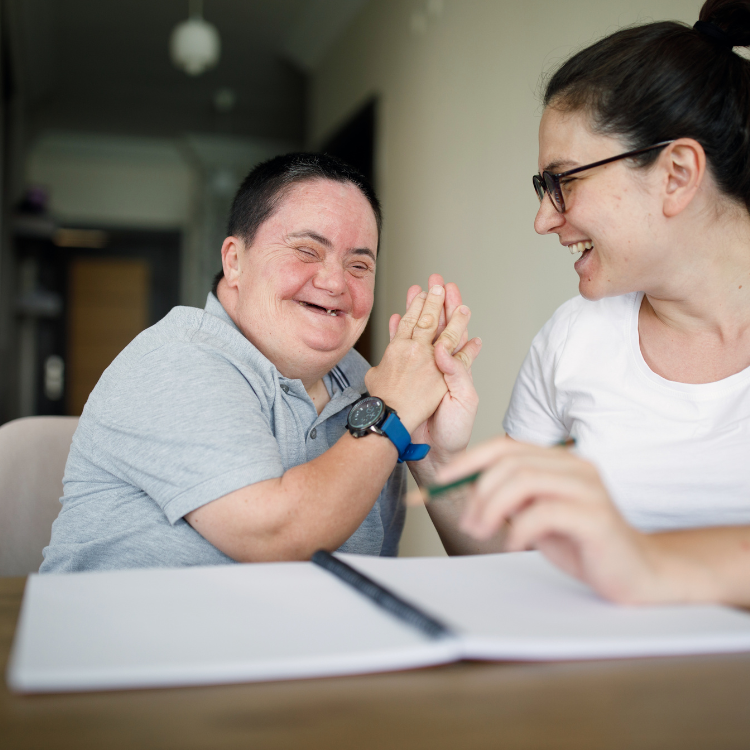
The aim of our NDIS daily living and life skills programs is to help participants become more independent through practical, everyday training.
At Linq Coordination & Management, we offer activities that build real-life skills such as:
Learning how to use public transport
Practising good personal hygiene
Building healthy routines
Learning how to cook simple meals
Improving social and communication skills
These activities help you grow, learn new abilities and feel more comfortable in everyday situations across Melbourne.



Support with NDIS Individual Skill Development and Training
Doing things on your own brings freedom, pride and confidence.
Linq Coordination & Management is a trusted NDIS provider in Melbourne because we focus on each participant’s needs with care and respect.
Our support workers help you make the most of your NDIS plan without stress. We offer a wide range of skill-building activities, including:
Self-awareness and confidence training
Positivity coaching
Critical thinking and problem-solving lessons
Cooking and meal preparation
Safe travel training
Daily exercise and meditation routines
Relaxation techniques for good mental health
Our goal is to support your physical and emotional well-being while helping you become more independent in your daily life. With the right skills, you can travel safely, join social activities confidently and take care of your own needs with pride.
Frequently asked questions
What is Development of Daily Living and Life Skills under the NDIS?
Also called Improved Daily Living or CB Daily Activity in your plan, this Capacity Building support funds programs to build your independence in everyday tasks — cooking, managing money, using public transport, personal hygiene, and household management. The goal is to teach skills so you can do more independently over time.
What is the difference between Improved Daily Living and Assistance with Daily Life?
Assistance with Daily Life is a Core Support — someone helps you do tasks now. Improved Daily Living is Capacity Building — someone teaches you how to do tasks yourself over time. Both can appear in your NDIS plan and serve different but complementary purposes.
What specific skills can be funded under daily living and life skills?
Funded skills include cooking and meal preparation, budgeting and money management, using public transport independently, personal hygiene routines, household management, communication skills, social skills, and organisation. Young adults transitioning to independence commonly access this funding.
How do I get life skills funding in my NDIS plan?
Frame your goals around building independence — learning to prepare meals or travel independently. Evidence from an occupational therapist or support worker about current skill gaps and benefits of targeted training strengthens your case. Contact Linq on 0434 601 682 for help preparing for your planning meeting.
Will demonstrating progress in life skills reduce my NDIS funding?
Progress in one area does not automatically reduce your overall plan. The NDIA assesses ongoing reasonable and necessary supports at each review. It is important to document improvements while clearly communicating remaining support needs. Your support coordinator can help prepare evidence that accurately reflects your situation.
Can Capacity Building funding be moved between categories?
No — unlike Core Supports, Capacity Building is not flexible between categories. Funding under Improved Daily Living can only be spent within that category. Unused Capacity Building funding does not roll over to your next plan, so using it strategically throughout the year is important.
Can life skills training be delivered at home and in the community?
Yes — training can be delivered in your home, in the community, or in a centre, whichever best suits the skill being developed. Cooking skills are best taught at home; transport training happens in the community. Linq connects participants with providers who deliver flexible, real-world life skills support.
Is life skills support available for children and young adults?
Yes — available for participants of all ages. Young adults leaving school commonly access this funding, and it is available for children where appropriate. School Leaver Employment Supports (SLES) is a related program for young people aged 15 to 22 transitioning toward employment.
How does Linq support daily living and life skills development?
Linq connects participants across Melbourne and Adelaide with experienced providers who take a teaching approach — doing things with you, not just for you. We ensure your NDIS plan includes appropriate funding and monitor progress toward your independence goals. Call 0434 601 682 to discuss your needs.
Menu
0434 601 682
Linq Coordination & Management is a registered NDIS Service Provider. We’re devoted to supporting people with disabilities. We provide personalised care and guidance, helping each person live with confidence, independence and dignity.
info@linqco.com.au
Contact us






Brunswick, Victoria
Send us a message
Copyright © 2026. All rights reserved by, Linq coordination & management